Berberine vs Ozempic: Is Berberine Really "Nature's Ozempic"?
Quick Answer: Berberine vs Ozempic, Which Works Better?
In the berberine vs Ozempic comparison, Ozempic wins on scale by a wide margin. Berberine loses roughly 2 to 3 kilograms, about 1 to 3 percent of body weight, over 12 weeks by activating the AMPK enzyme. Ozempic loses roughly 10 to 15 kilograms, 6 to 15 percent, by acting on the GLP-1 appetite pathway, which is the same pathway over-the-counter GLP-1 supplements claim to reach without a needle. Berberine is a modest daily metabolic support, not a needle-free version of a prescription drug.
- Berberine: ~2–3 kg / 1–3% over 12 weeks, via AMPK, over the counter.
- Ozempic: ~10–15 kg / 6–15%, via GLP-1, prescription only.
- No proven GLP-1 effect: UCLA and OSU reviews find no conclusive evidence berberine mimics GLP-1 in humans.
The phrase "nature's Ozempic" did more for berberine sales than any clinical trial ever could, and it is exactly why so many people who try berberine end up disappointed. If you have landed here searching berberine vs Ozempic, you have already spotted the tension: one is a plant alkaloid you can buy off a shelf, the other is a prescription medicine that reshaped the entire weight-loss conversation. Treating them as two flavours of the same thing sets you up to misjudge both. This article puts the two side by side with honest numbers, explains why the nickname stuck, and shows where a daily metabolic-support supplement realistically fits.
We are an independent publisher, not the maker of any drug or supplement, and we have no reason to inflate either side. So here is the short version before the detail: berberine is a genuinely interesting compound with a real but small evidence base, Ozempic is a powerful medicine with a much larger effect and a much larger footprint of cost and supervision, and the gap between them is not a rounding error. Let us walk through why.
Berberine vs Ozempic: the honest numbers
Start with what each one actually does to the scale, because that is what the nickname obscures. Across controlled human studies, berberine taken at 900 to 1500 mg a day for about 12 weeks produces weight loss on the order of 2 to 3 kilograms, which works out to roughly 1 to 3 percent of body weight for most people. It usually arrives alongside modest improvements in blood-sugar and lipid markers, and it only shows up when the person is also eating sensibly. That is a real effect. It is also small.
Now the drug. In its weight-management trials, semaglutide, the active ingredient in Ozempic and Wegovy, produced average losses in the region of 10 to 15 kilograms, or roughly 6 to 15 percent of body weight depending on the population, dose and trial length. That is not a slightly bigger number than berberine. It is a different order of magnitude, achieved under medical supervision, at a very different price, with its own risk profile. When people ask whether berberine is "as good as Ozempic," the numbers answer for us: the typical gap is roughly four to five times, and no amount of marketing narrows it.
| Factor | Berberine | Ozempic (semaglutide) |
|---|---|---|
| Typical weight change | ~2–3 kg / 1–3% | ~10–15 kg / 6–15% |
| Main mechanism | AMPK activation (metabolic) | GLP-1 receptor agonism (appetite) |
| Time to meaningful results | ~8–12 weeks | Months, ongoing |
| Access | OTC supplement, not FDA-approved for weight loss | Prescription only, FDA-approved |
| Main drawbacks | GI upset, drug interactions, poor absorption | Cost, injections, nausea, medical side effects |
Different engines: AMPK vs GLP-1
The mechanism is where "nature's Ozempic" completely falls apart, and it is worth understanding because it explains the size of the gap. Berberine's headline action is activating an enzyme called AMP-activated protein kinase, or AMPK, often described as the cell's metabolic master switch. When AMPK is switched on, cells behave as though energy is short: they pull in more glucose, burn more fuel and dial down the manufacture of new fat. That is a useful lever, and it is why berberine keeps turning up in metabolic research. For a deeper look at that pathway and the dosing behind it, our full berberine for weight loss guide lays out the evidence in detail.
Ozempic does something entirely different. Semaglutide mimics a gut hormone, glucagon-like peptide-1, and acts on GLP-1 receptors in the brain and pancreas to powerfully reduce appetite and slow how quickly the stomach empties. One is a metabolic-efficiency lever pulled from inside the cell; the other is an appetite-suppression signal sent from the gut to the brain. Reviews from research groups at UCLA and Oregon State University have looked directly at the claim that berberine behaves like a GLP-1 drug and found no conclusive human evidence for it. Berberine may influence GLP-1 in a laboratory dish, but that has not translated into a demonstrated GLP-1-like effect in people.
Why the "nature's Ozempic" nickname took off
If the science does not support the comparison, why did it spread? Because it is a perfect piece of internet shorthand. Ozempic was expensive, hard to access and constantly in the news; berberine was cheap, available and already sitting on supplement shelves. A three-word nickname that promised the famous drug's results without the prescription was always going to travel faster than a nuanced trial summary. The phrase was a marketing accident, not a clinical finding, and it has quietly reset expectations for an entire category.
The damage runs in two directions. It oversells berberine, priming people to expect double-digit weight loss and dramatic appetite suppression, so when they lose the honest 2 to 3 kilograms they conclude it "did nothing." And it undersells the drug, implying that a serious prescription medicine with real supervision requirements is casually interchangeable with a capsule. A better frame is plain: berberine is a modest metabolic-support supplement, Ozempic is a potent appetite-acting medicine, and each should be judged against an accurate description of itself.
Buy on the mechanism, not the nickname
Whatever daily metabolic-support approach you choose, buy it on its published dose and its guarantee, not on a viral caption. Check the current supply and terms at the source before you commit.
See the Official AlkaSlim StoreObjection 1: "But berberine is natural, so it must be safer"
Natural does not mean consequence-free, and berberine is a good example. The most common complaints are digestive: cramping, diarrhoea, constipation and general stomach upset, especially early on or at the top of the dose range. Those often ease with divided dosing and a slow start, but they are the reason a lot of people quit in the first fortnight. More importantly, berberine affects the same liver enzymes that process many prescription drugs, so it can push the levels of other medicines too high or too low. If you take anything for blood sugar, blood pressure or a condition managed through the liver, that is a real interaction to clear with a clinician, not a footnote. Ozempic, for its part, is not consequence-free either; nausea and other side effects are common, which is precisely why it is supervised. "Natural versus pharmaceutical" is not the same axis as "safe versus risky."
Objection 2: "If it's weaker, why bother at all?"
Because "weaker than Ozempic" is not the same as "useless," and most people are not choosing between berberine and a prescription. They are choosing between berberine and nothing, usually because a GLP-1 drug is out of reach on cost, access or medical grounds. In that real-world context, an over-the-counter option with a modest, evidence-backed effect is a reasonable thing to try, provided the expectation is honest. Berberine is arguably the most evidence-backed single OTC ingredient for people without GLP-1 access, and a few percent of body weight, sustained, is not trivial when it is stacked on top of diet and movement. The mistake is not trying it; the mistake is expecting it to do a drug's job.
Objection 3: "Can I just take berberine instead of my prescription?"
No, and this is the one place the answer needs to be blunt. Berberine cannot replace a GLP-1 prescription, and swapping a prescribed medicine for a supplement on your own is a genuinely risky move. The two are different categories of intervention with a large results gap, and stopping a prescribed drug can have consequences that have nothing to do with weight. If a GLP-1 medicine is appropriate and available to you, an OTC capsule is not an equivalent trade. Berberine earns its place as an option for people who cannot access or do not want a prescription, and even then it is support, not substitution. Any change to prescribed treatment belongs in a conversation with your clinician first. For a broader head-to-head on where supplements sit next to the drugs, see our comparison of AlkaSlim versus prescription weight loss pills.
Where AlkaSlim fits, honestly
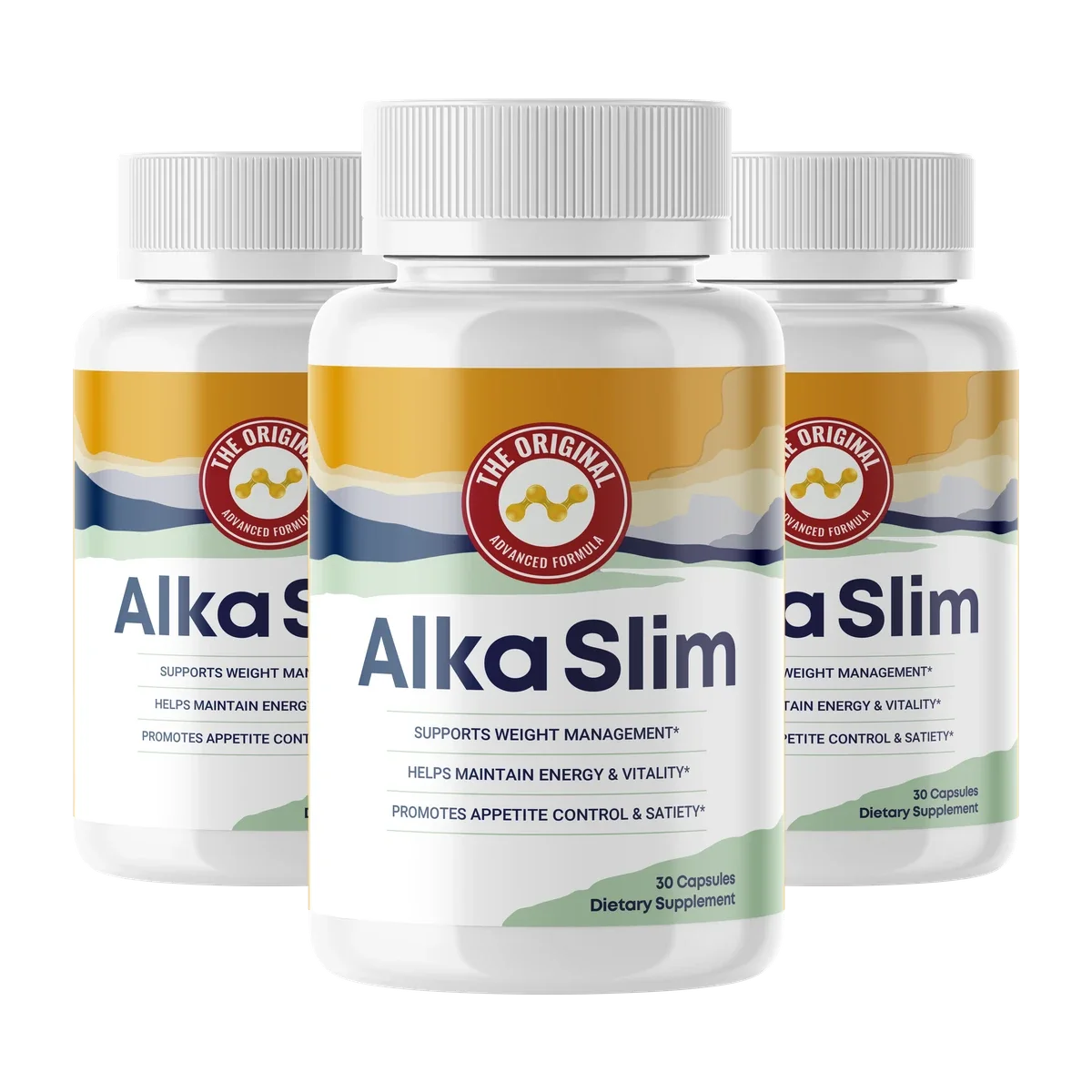
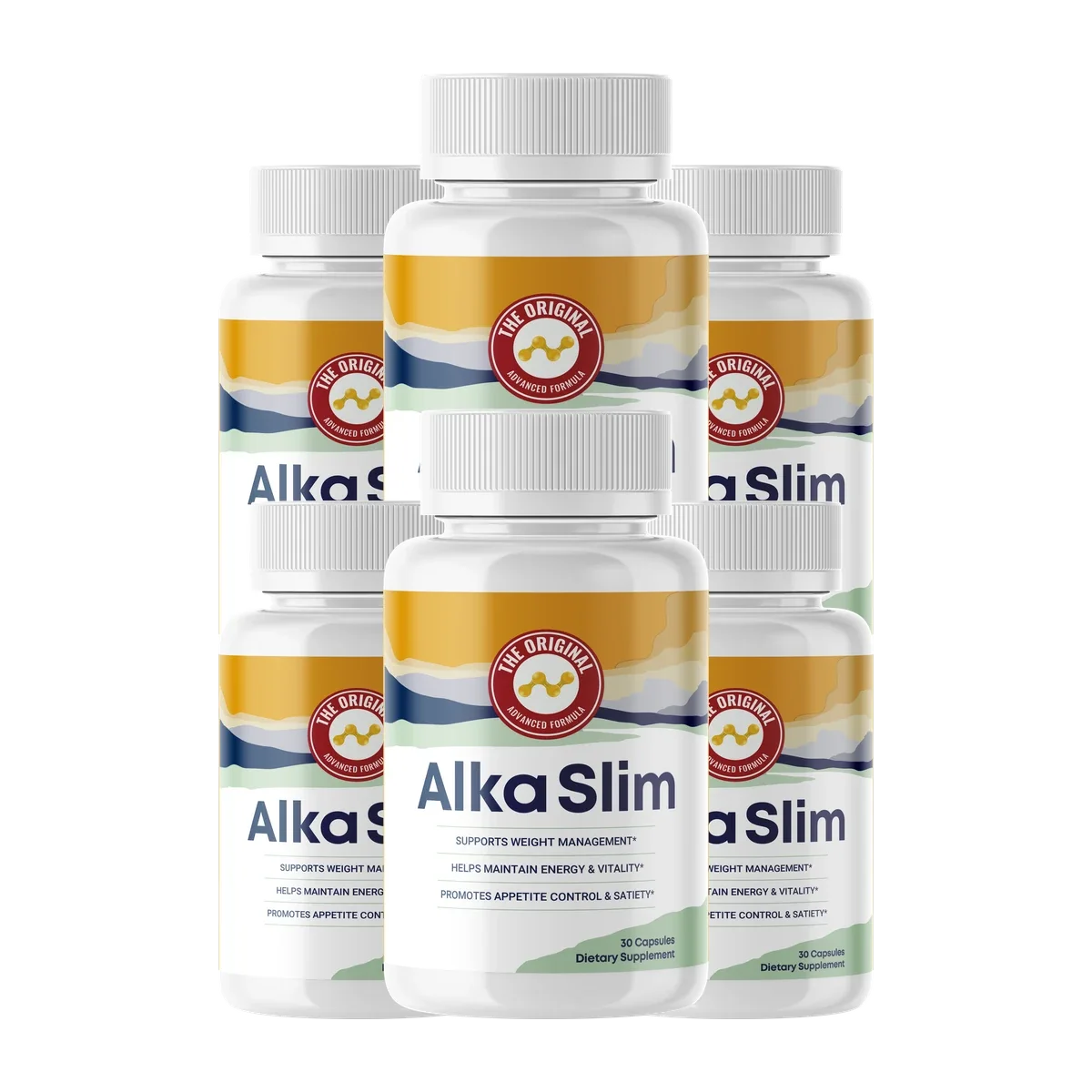
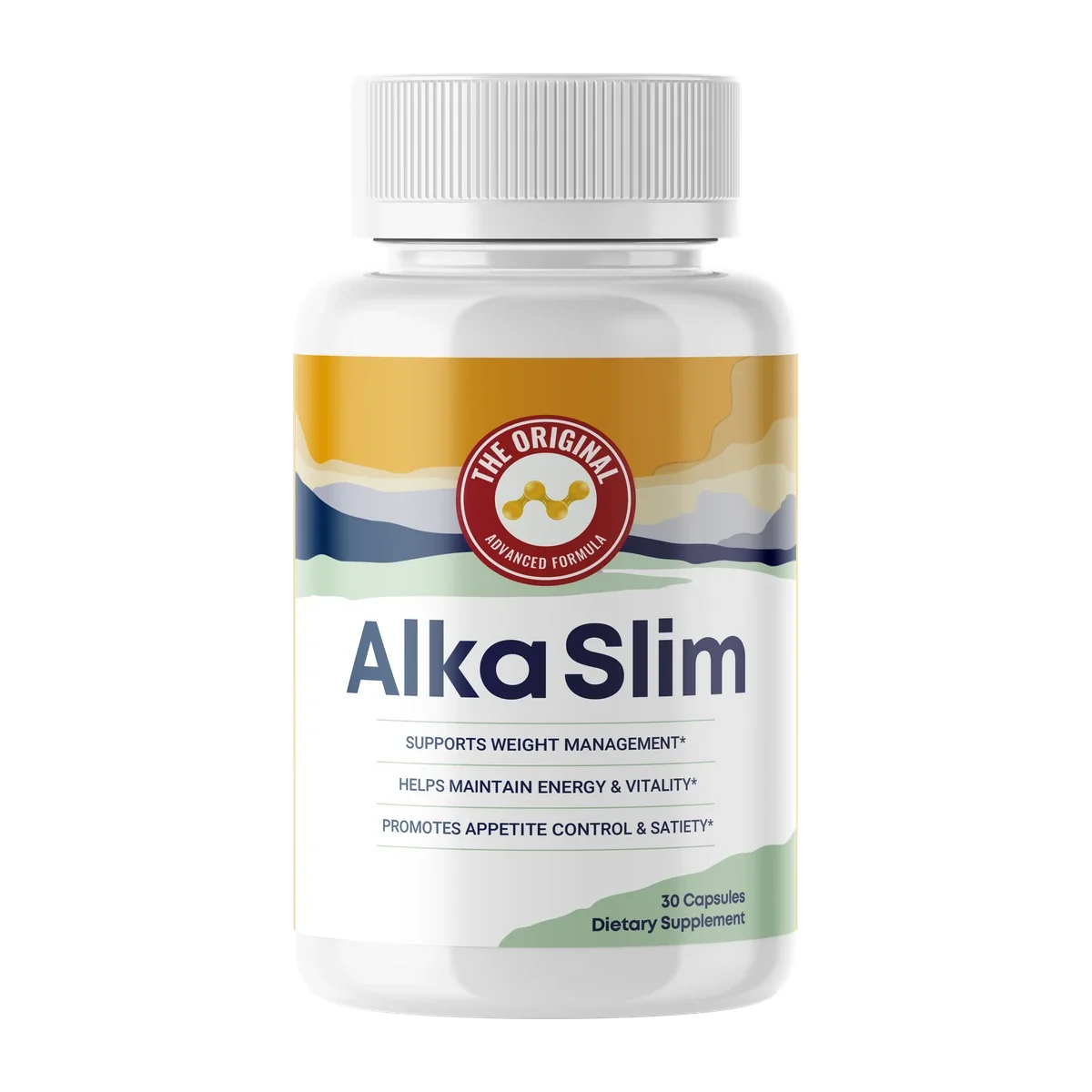
Let us be direct, because the angle of this article invites the question: AlkaSlim does not contain berberine. Its formula is built on konjac glucomannan, a viscous soluble fibre, alongside baobab fruit fibre, L-arabinose and spermidine. Where berberine works from inside the cell by nudging AMPK, and Ozempic works on the GLP-1 appetite pathway, AlkaSlim's fibre approach works in the stomach, absorbing water to promote a sense of fullness so a calorie deficit is easier to hold. It is a third lever, not a berberine product wearing a berberine headline, and we would rather say that plainly than borrow a trend it does not belong to.

The buying discipline is the same across all three levers. Whether you are weighing berberine, a fibre formula or a prescription, insist on a published per-ingredient dose you can check against the research, and insist on a guarantee window long enough to judge a 12-week effect. AlkaSlim publishes no Supplement Facts panel on its website, so that dose check has to wait until the bottle arrives; the panel is legally required on the container, so verify it on day one and use the guarantee if the numbers disappoint. If you want the fibre mechanism in depth, our explainer on glucomannan, konjac fibre and fullness covers exactly how that lever works and what to realistically expect from it.
Related reading
- Berberine for weight loss guide — the full dosing and evidence picture.
- Natural Ozempic alternatives in 2026 — the OTC ingredients ranked by evidence.
- AlkaSlim versus prescription weight loss pills — where a fibre supplement really sits.
- Does AlkaSlim work? An honest review — expectations set against the evidence.
Frequently asked questions
Is berberine as good as Ozempic for weight loss?
No, and it is not close. In controlled studies berberine produces roughly 2 to 3 kilograms of weight loss, about 1 to 3 percent of body weight, over 12 weeks at doses around 900 to 1500 mg a day. Ozempic and similar GLP-1 medicines produce roughly 10 to 15 kilograms, about 6 to 15 percent, over longer treatment. They also work by different mechanisms: berberine nudges the AMPK enzyme inside cells, while Ozempic acts on the GLP-1 appetite pathway. Berberine is a modest metabolic support, not a substitute for a prescription drug.
How much weight can berberine help you lose?
The honest number is small. Human trials at 900 to 1500 mg a day show about 2 to 3 kilograms, or 1 to 3 percent of body weight, over roughly 12 weeks, and only when it is taken alongside a sensible diet and some activity. That is a real effect but a modest one, and it appears gradually over months rather than in the first week or two. Anyone expecting the double-digit percentages seen with GLP-1 medicines will be disappointed, because berberine simply does not act on the same scale.
Can berberine replace a GLP-1 prescription?
Berberine cannot replace a GLP-1 prescription, and no supplement can. The two are different categories of intervention with a roughly five-fold gap in typical results. If you already have access to a GLP-1 medicine and it is appropriate for you, an over-the-counter supplement is not an equivalent swap. Berberine is best understood as an option for people who cannot access or do not want a prescription drug, and even then it delivers modest support rather than a drug-scale outcome. Never stop a prescribed medicine to try a supplement without speaking to your clinician first.
How does AlkaSlim use berberine?
It does not. AlkaSlim contains no berberine. Its formula is built on konjac glucomannan, a viscous soluble fibre, alongside baobab fruit fibre, L-arabinose and spermidine. Where berberine works from inside the cell by activating AMPK, AlkaSlim's fibre approach works in the stomach by absorbing water and promoting fullness, which can make a calorie deficit easier to hold. It is a different metabolic-support lever, not a berberine product, and we say so plainly rather than borrow the berberine headline.
Scientific references
See the current supply options
Supply sizes, shipping terms and the guarantee window are set by the manufacturer and change without notice. The official store is the only place they are current.
Go to the Official Store