What a Missing Supplement Facts Panel Hides — and How to Audit One
Quick Answer: Why Does the Amount Matter More Than the Ingredient?
Because every ingredient with real evidence behind it has a dose attached to that evidence. Glucomannan's weight claim is tied to 3 g a day; L-arabinose blunts sucrose digestion at gram-scale amounts proportional to the sugar eaten; spermidine trials use milligrams. Naming an ingredient tells you the manufacturer put some in. Only the amount tells you whether the studies apply. In the United States a Supplement Facts panel is required on the container and must give the serving size, the servings per container and the quantity of each dietary ingredient — so if a product's website names four actives and publishes no amounts, the information exists; it is simply arriving with the bottle rather than before the purchase.
- Required on the container: serving size, servings per container, and the amount of each ingredient.
- The legal gap: a proprietary blend may disclose one combined weight instead of individual amounts.
- The practical test: compare each disclosed amount against the dose used in the research.
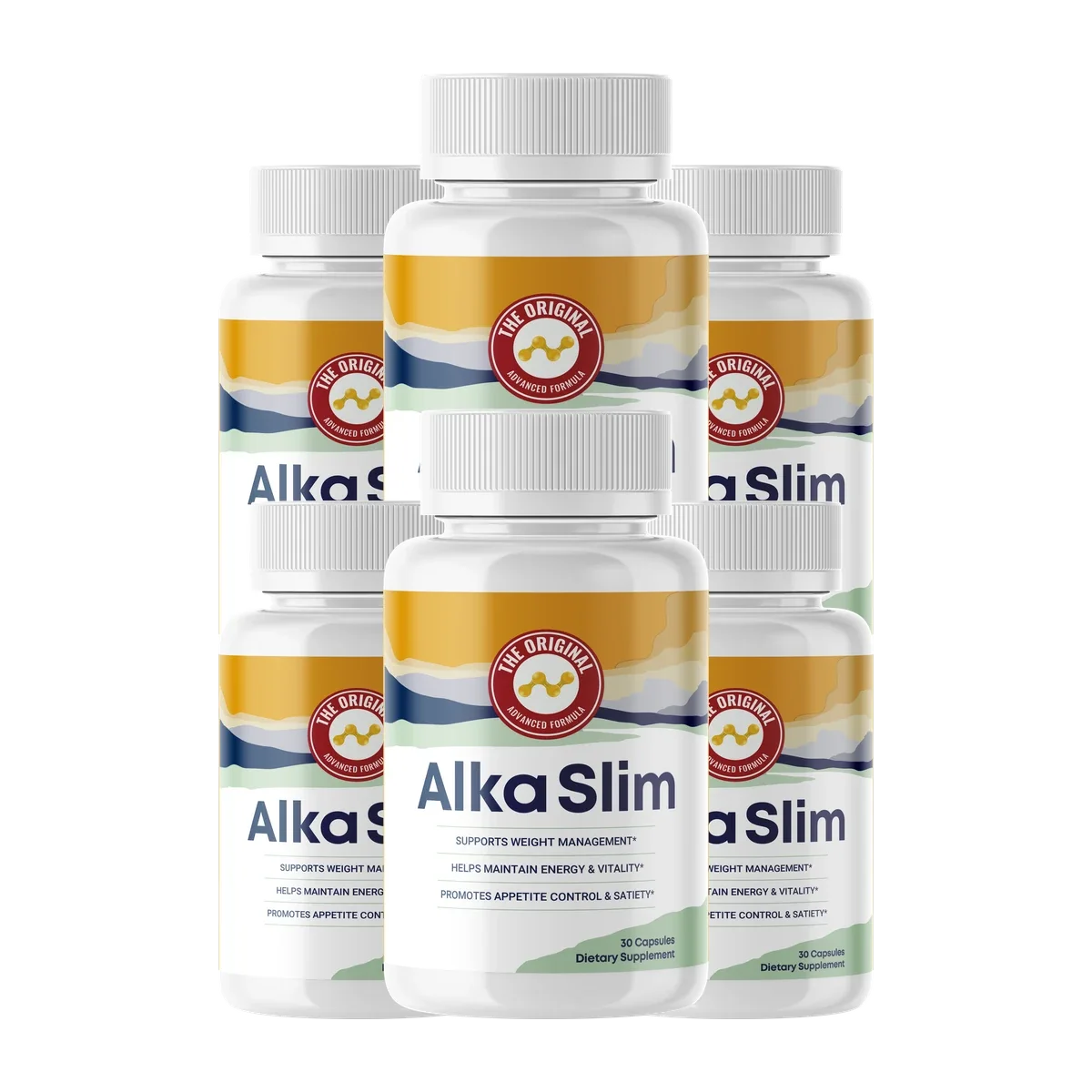
What the panel is required to tell you
The Supplement Facts panel is not marketing furniture. Its contents are prescribed: the serving size, the number of servings in the container, each dietary ingredient by name, and the quantity of each per serving. Where a Daily Value exists, the percentage must be shown. Ingredients without a Daily Value — which covers most botanicals and most novel compounds — still have to carry a quantitative amount. Below the panel, the “Other ingredients” line lists everything else in descending order by weight: the capsule shell, flow agents, fillers.
Read in that order, the panel answers the only questions that matter before buying. How much am I taking? How many days does this bottle last? And what else is in here that nobody advertised?
The proprietary blend loophole
There is one legal way to publish a panel and still withhold the doses: the proprietary blend. It is the single most common reason a shopper cannot tell whether a weight loss capsule is working through satiety, fat blocking or a stimulant, because the mechanism is only as real as the amount behind it. A manufacturer may group several ingredients under one blend name, hiding which of the diet supplement categories is actually carrying the formula. It may disclose the total weight of the blend, and list the components in descending order by weight without individual amounts. A 600 mg blend of six ingredients might be 550 mg of the cheapest one and ten milligrams each of the five doing the advertising, and the label would look identical either way.
This is worth recognising on sight. “Proprietary Blend 750 mg” followed by an indented list is a label telling you that the split is not your business. Sometimes the formula behind it is good. You cannot tell, and that is the point.
| What the label shows | What you can conclude | Verdict |
|---|---|---|
| Each ingredient with its own amount | Compare directly against the research doses | Auditable |
| A proprietary blend with a combined total | Only the ceiling: no single one exceeds the total | Partly auditable |
| Ingredient names with no amounts at all | Presence only — consistent with any dose | Not auditable |
The five-minute audit
1. Convert extract weights into active amounts
An extract weight is not a dose. “Green tea extract 130 mg, 45% EGCG” is 58.5 mg of the compound the claims are about. Where a standardisation percentage is given, multiply. Where none is given, treat the ingredient as unquantified even though a number is printed — an unstandardised extract can vary enormously in active content between batches.
2. Look up the dose the research used
For most ingredients this takes one search. The number you want is the daily amount in the human trials, not the amount in the marketing. Write it next to the label amount. Most disappointments in this category are visible at this step, as a factor of ten.
3. Divide the price by the days, not the bottles
Servings per container multiplied by servings per day gives the days a bottle lasts. Price divided by days is the only figure that compares two products honestly, and it frequently reverses the apparent ranking of a cheap small bottle against an expensive large one.
4. Read the “Other ingredients” line
This is where allergens, capsule material and fillers live. It is also where a vegetarian claim is confirmed or quietly contradicted — a gelatin capsule is not vegetarian, whatever the front of the bottle implies.
5. Check the serving size against the claim
If the panel says two capsules per serving and the price ladder is built on 30 capsules per bottle, that bottle is a fifteen-day supply and every cost calculation on the sales page needs doubling. This catches more people than any other single line on a label.
What to do when the panel is not published online
It is common enough. The rules require the panel on the container; they do not require a manufacturer to put it on their website. The practical response is to treat the purchase as provisional: buy the smallest quantity that still fits inside the refund window, read the panel the day it arrives, and run the audit above before opening the second bottle. A 60-day money-back guarantee is genuinely useful here, because it converts an information gap into a returnable risk — provided you actually check on day one rather than day fifty.
And if the panel, once it arrives, turns out to be a proprietary blend, you have learned something real about the product too.
Frequently asked questions
Is a Supplement Facts panel legally required?
In the United States, yes — on the container. It must state the serving size, servings per container, and the amount of each dietary ingredient per serving, with the percentage Daily Value where one exists. A manufacturer is not obliged to publish that panel on their website.
What is a proprietary blend?
A group of ingredients disclosed under one name with a single combined weight, listing components in descending order without individual amounts. It is legal, and it means you cannot tell how much of any one ingredient you are taking.
How do I convert an extract weight into a dose?
Multiply the extract weight by the standardisation percentage. A 500 mg extract standardised to 20% of an active gives 100 mg of that active. If no percentage is stated, the ingredient is effectively unquantified even though a number appears.
What should I do if a product publishes no amounts at all?
Treat the ingredient list as a statement of presence, not of dose. If you buy anyway, buy the smallest quantity that fits inside the refund window and read the panel on the bottle the day it arrives.
Scientific references
- US Food and Drug Administration — Dietary Supplement Labeling Guide
- US Food and Drug Administration — Questions and Answers on Dietary Supplements
- NIH Office of Dietary Supplements — ingredient fact sheets, with the doses used in research
- MedlinePlus (US National Library of Medicine) — Dietary Supplements
See the AlkaSlim ingredient audit in full
Four named actives, every undisclosed amount marked as undisclosed, and the research dose beside each one.
Read the AlkaSlim Review