Weight Loss Capsules: How They Work, the Four Mechanisms, and Why Dose Decides
Quick Answer: How Do Weight Loss Capsules Actually Work?
Weight loss capsules do not all work the same way. Nearly all of them use one of four mechanisms: soluble fibre that increases fullness, fat blockers that stop a fraction of dietary fat being absorbed, carb blockers that slow starch digestion, or thermogenics that nudge metabolic rate with stimulants, the three groups that organise diet supplements for weight loss as a category. In every case the capsule only helps by making a calorie deficit easier to reach; none of them override eating too much.
- Four routes: satiety fibre, fat blockers, carb blockers, thermogenics.
- One shared limit: all of them still require a calorie deficit to produce fat loss.
- The deciding factor: the dose, not the ingredient name, is what separates a real effect from a token one.
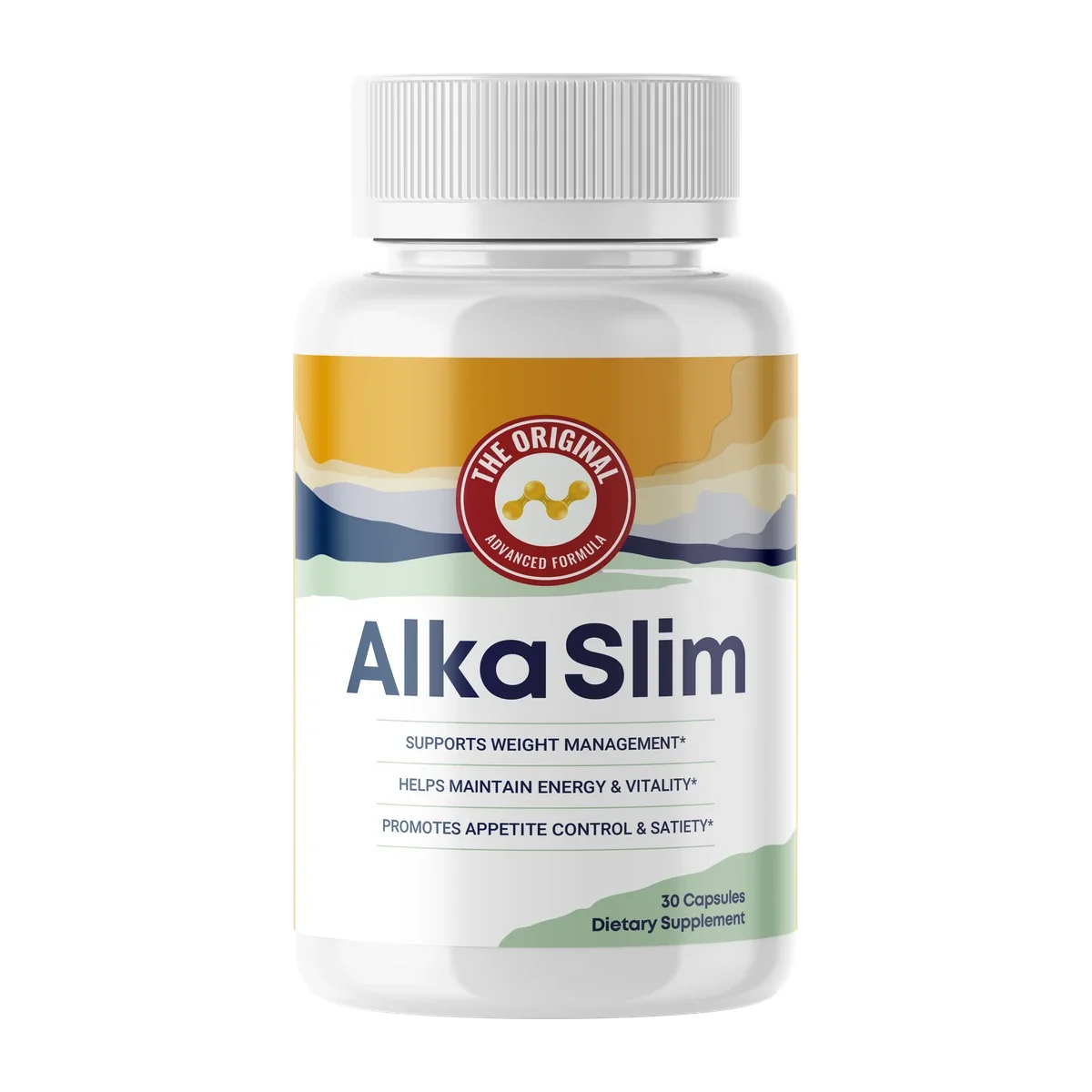
Walk down any supplement aisle, physical or digital, and the sheer number of weight loss capsules on offer can make them look interchangeable. They are not. Beneath the packaging, almost every diet capsule works through one of a small handful of mechanisms, and knowing which mechanism you are buying tells you more than any headline claim on the front of the bottle. This guide breaks down the four routes these capsules take through the body, what each can realistically do, and the single factor — dose — that decides whether any of them is worth your money.
How weight loss capsules work: the four main mechanisms
Strip away the branding and weight loss capsules cluster into four mechanism families, which is also the cleanest way to judge which weight loss pills actually work in 2026. Some raise fullness so you eat less. Some interfere with the absorption of a nutrient so fewer of its calories land. Some slow digestion so the same food arrives more gradually. And some lean on stimulants to raise the number of calories you burn at rest. A given product might combine two or three of these, but the categories themselves are distinct, and each has a different ceiling on what it can achieve. Understanding them is the fastest way to cut through marketing.
1. Satiety fibres: fullness you can feel
The satiety-fibre route is the gentlest and, arguably, the best understood. Soluble fibres such as glucomannan absorb water in the stomach and swell into a thick gel, which takes up space, slows how quickly the stomach empties, and triggers the stretch signals that tell your brain a meal was substantial. The result is simple and honest: a smaller plate feels like enough. There is no chemistry to react to and no stimulant to tolerate; the effect is largely mechanical, and it is why fibre keeps appearing in appetite research.
The catch is that fibre works by mass. A meaningful effect needs grams of the stuff, and grams are bulky, which is why the format and the dose matter so much for this category specifically. Our detailed piece on the glucomannan gel that drives satiety works through exactly how much fibre the research is attached to and why so many capsules fall short of it. When the dose is there, though, a satiety fibre is one of the more defensible things a weight loss capsule can be built on.
2. Fat blockers: stopping a fraction of dietary fat
Fat blockers take a different tack: instead of changing appetite, they interfere with the enzyme that breaks down dietary fat, so a portion of the fat you eat passes through undigested rather than being absorbed. The best-known example is orlistat, which exists as both a prescription drug and a lower-dose over-the-counter product, and which has genuine clinical evidence behind it. Some supplements market fibre or plant compounds as "natural fat blockers," but the evidence for those is far thinner than for the pharmaceutical version.
The mechanism has a built-in honesty problem, which is that the unabsorbed fat has to go somewhere. The characteristic and much-discussed digestive side effects of orlistat — urgent, oily stools when a meal is high in fat — are the direct, unavoidable consequence of the mechanism working. It only blocks a fraction of fat, not all of it, and it does nothing about calories from carbohydrate or protein. As a category it is real, but narrow, and it comes with a tolerability cost that many people are not prepared for.
3. Carb blockers: slowing starch digestion
Carb blockers aim at starch the way fat blockers aim at fat. The typical ingredient is white kidney bean extract, which inhibits an enzyme called alpha-amylase that breaks starch into absorbable sugar. Slow that process and a portion of the starch from a meal passes through less completely, and blood-sugar rises are blunted. On paper it is an appealing idea, especially for people whose diet is heavy on bread, rice and pasta.
In practice the evidence is modest and inconsistent, and the effect size is small even in the more favourable studies. Carb blockers do nothing about dietary fat, they only touch starch rather than all carbohydrate, and like every other mechanism here they cannot rescue a diet that is simply too large overall. They are a minor lever, not a main one, and they are worth exactly as much as the dose in the capsule — which, as with everything in this category, is where the real question lies.
Prefer the mechanism with the fewest trade-offs?
Of the four routes, a properly dosed satiety fibre is the gentlest to live with. If a fibre-first capsule is the direction you want, the official AlkaSlim store is the place to start, with a 60-day money-back guarantee behind it.
See AlkaSlim at the Official Store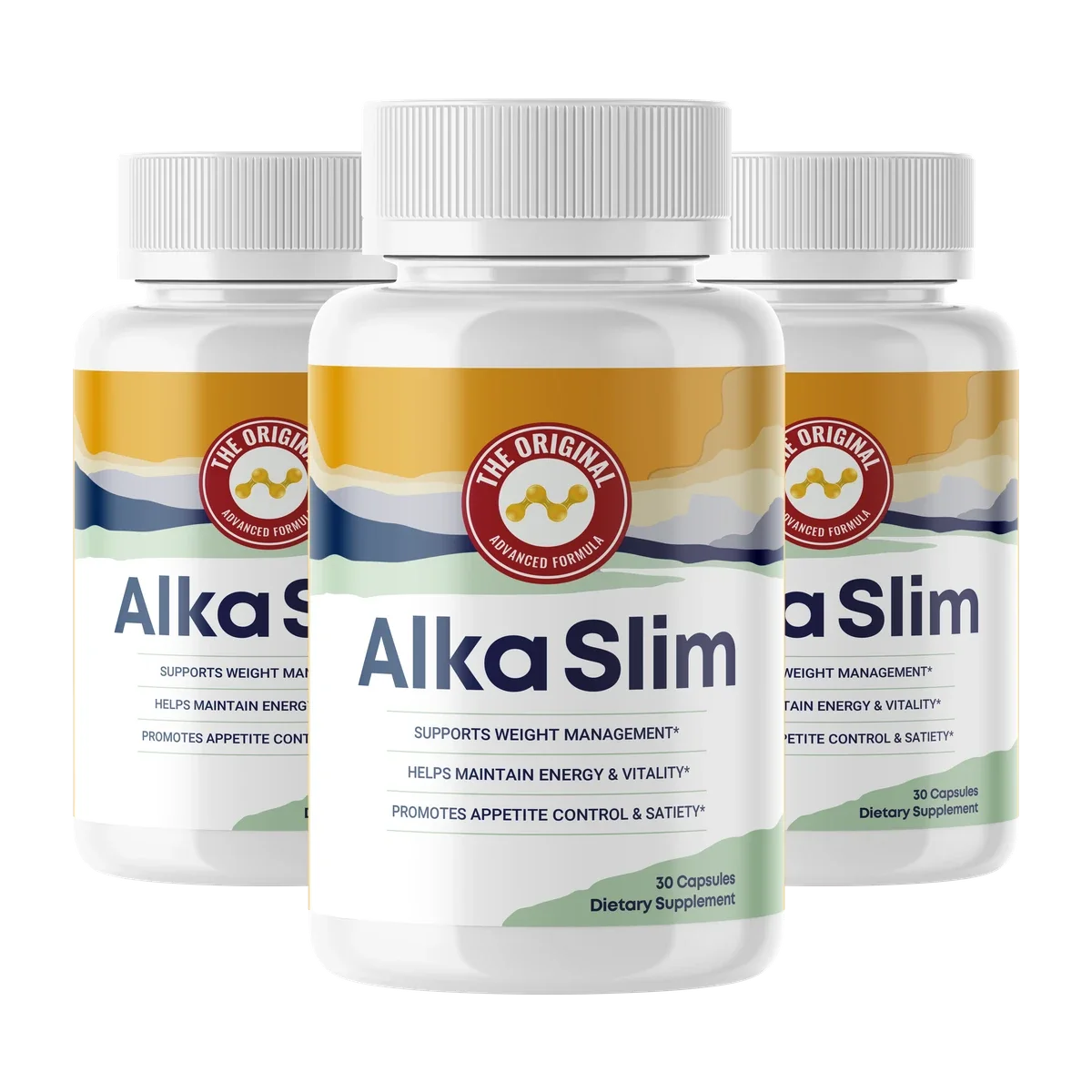
4. Thermogenics: the stimulant route
Thermogenics are the category most people picture when they hear "fat burner." These capsules are built on stimulants — caffeine above all, often alongside green tea catechins, and historically some ingredients that have since been banned — and they work by modestly raising energy expenditure and, in the short term, dampening appetite. The metabolic bump is real but small, and much of the appetite effect is simply what caffeine does to anyone who has not built a tolerance.
The trade-offs are the stimulant ones: jitteriness, a raised heart rate, disrupted sleep, and a rising tolerance that erodes the effect over weeks. Sleep is the quiet killer here, because poor sleep works against fat loss on its own, so a capsule that costs you rest can undermine the very goal it is sold for. Thermogenics can suit some people in the short term, but they are the category with the widest gap between how they are marketed and what they sustainably deliver.
The thing all four have in common: the deficit does the work
Here is the honest thread that runs through every category above. Not one of these mechanisms burns fat by itself. Satiety fibre makes you eat less; fat and carb blockers reduce how much of a nutrient you absorb; thermogenics nudge expenditure a little. Every one of those is a way to tilt the same equation — calories in versus calories out — slightly in your favour. The fat loss itself comes from the calorie deficit that results, and if the deficit is not there, none of these capsules will manufacture one for you.
A weight loss capsule is a lever on the energy balance equation, not a substitute for it. The best ones make a sustainable deficit easier to hold. None of them make the deficit optional.
That is not a reason to dismiss the category. Adherence is the hardest part of fat loss, and a tool that makes eating less genuinely easier to sustain is worth having. It is a reason to be honest about the job description. The right question is never "does this capsule cause weight loss," because framed that way the answer is always no. The right question is "does this capsule make my deficit easier to keep," and for a well-dosed satiety fibre the answer can be a straightforward yes.
Why dosage decides everything, and blends hide it
This is the point that matters more than the entire taxonomy above, so it deserves the plainest possible statement: an ingredient only does what its studied dose did. A weight loss capsule can list glucomannan, or white kidney bean, or green tea, and still contain a fraction of the amount any study used. The name on the label is a claim about identity, not about quantity, and quantity is the whole game. A fibre at a tenth of its effective dose is not a weak version of the effect — it is no version of it.
This is exactly where proprietary blends do their damage. By law a blend can list several ingredients under a single combined weight without disclosing how much of each is inside. That lets a product front-load a blend with something cheap and bulky, add a pinch of the impressive-sounding hero ingredient, and print both names at equal prominence. You are told the total and left to guess the split. Our walkthrough on how a proprietary blend hides the real dose shows how to spot the pattern in about a minute, and it is the single most useful skill for shopping this category.
So the practical test for any weight loss capsule is not which mechanism it uses or how many ingredients it lists. It is whether the label gives you a specific amount for the ingredient that is meant to do the work, and whether that amount matches what the research used. If the number is missing, or buried in a blend, treat the claim as unproven until the bottle in your hand proves otherwise.
Why AlkaSlim leans on a fibre-first design
Set against those four mechanisms, a fibre-first capsule is a deliberate choice rather than a default one. It avoids the stimulant load and sleep cost of thermogenics, and it avoids the digestive trade-off that makes fat blockers hard to live with. What it asks in return is honesty about dose, because fibre is the one mechanism where a small amount does genuinely nothing. That is the lens we bring to AlkaSlim's fibre-first formula: the mechanism is sound, and the question worth answering is whether the serving delivers enough of it.
We say this the same way on every page. AlkaSlim names its active ingredients but does not publish a milligram figure for them on its website, so the one number that would settle the dose question is not available before purchase. The panel is legally required on the physical bottle, which means the answer arrives with the product and can be checked on day one against the guarantee window. If you would rather compare the whole field before deciding, our roundup of the best weight loss pills for 2026 lines the main options up on exactly this criterion.
Related reading
- The best weight loss pills for 2026, compared — the main options ranked on dose transparency and mechanism.
- A natural appetite suppressant that works — how fibre-led fullness stacks up against the stimulant route.
- Over-the-counter weight loss pills compared — what is actually on the shelf and how the categories differ.
- Supplement Facts panels: what a missing dose hides — how to read a label and spot an underdosed capsule.
Frequently asked questions
How do weight loss capsules work in the body?
Weight loss capsules do not share a single mechanism. Most work through one of four routes: increasing fullness with soluble fibre, blocking a fraction of dietary fat, slowing carbohydrate digestion, or nudging metabolic rate with stimulants. Every one of those effects still depends on you ending the day in a calorie deficit.
What types of weight loss capsules exist?
The main categories are satiety fibres such as glucomannan, fat blockers such as orlistat, carb blockers such as white kidney bean extract, and thermogenics built on caffeine and other stimulants. A single product may combine several, but combining mechanisms is not the same as delivering a meaningful dose of each.
Do weight loss capsules work without exercise?
They can contribute without exercise, because most of their effect runs through appetite and food intake rather than activity. But no capsule overrides a calorie surplus, so results still require eating less overall. Exercise helps by protecting muscle and widening the deficit, not by unlocking the capsule.
Why does dosage matter more than the ingredient list?
Because an ingredient only does what its studied dose did, and a name on a label tells you nothing about the amount inside. A capsule can list an impressive ingredient at a fraction of its effective dose, and proprietary blends hide exactly that by grouping everything under one total. The dose is the claim.
Scientific references
- NIH Office of Dietary Supplements — Dietary Supplements for Weight Loss
- FDA — Dietary Supplement Labeling Guide (proprietary blends)
- Harvard T.H. Chan School of Public Health — Fiber and satiety
- NIH National Center for Complementary and Integrative Health — Dietary and Herbal Supplements
- PubMed — dose-response research on weight loss supplements
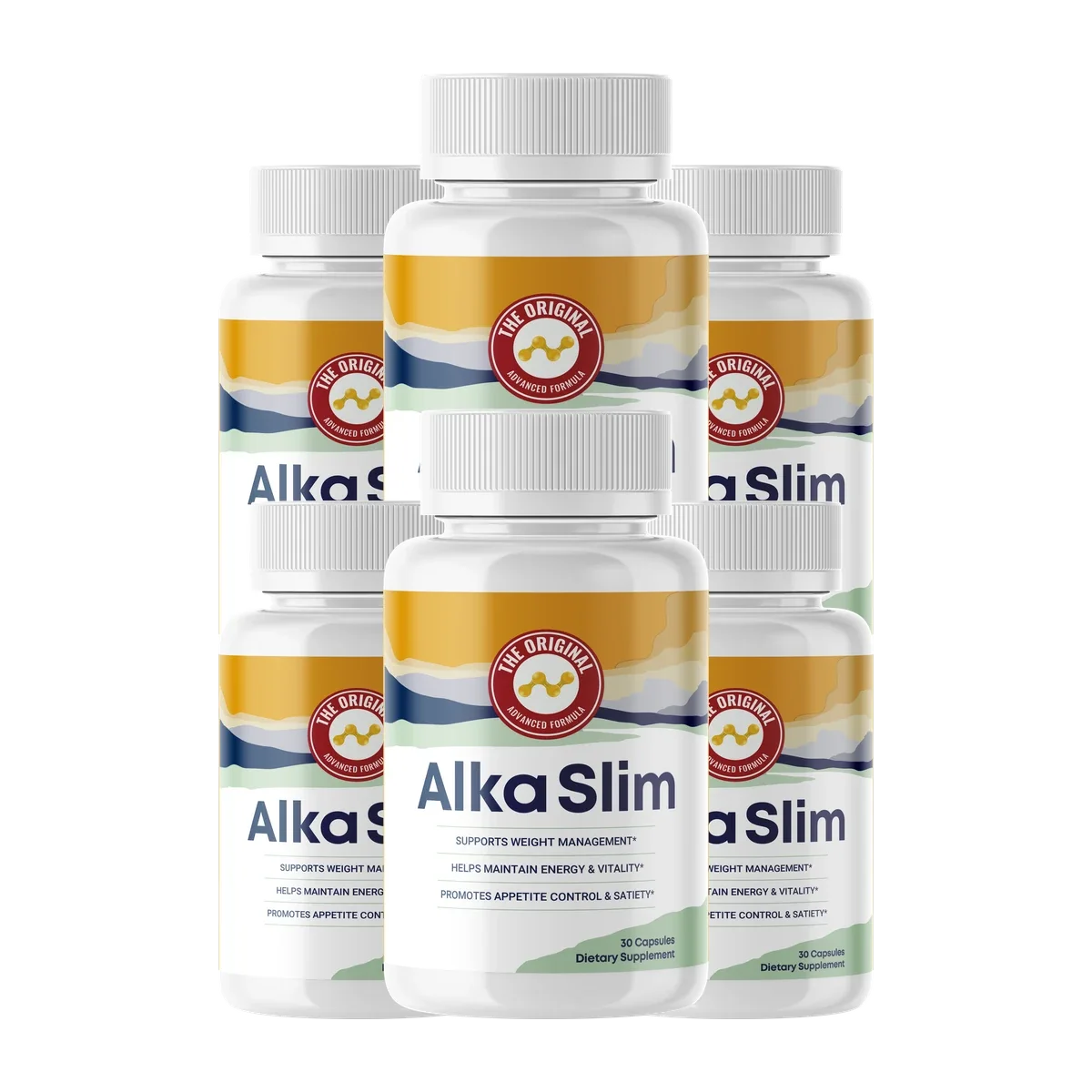
Choose the mechanism you can live with
If a fibre-first capsule fits how you want to eat, the official store is the only place with a sealed bottle and the 60-day money-back guarantee. Read the panel on arrival and hold it to the dose standard above.
Go to the Official Store