Protein Powder for Weight Loss Explained
Quick Answer: Does Protein Powder for Weight Loss Actually Work?
Protein powder for weight loss works indirectly. A 25 to 30 g serving is one of the most filling things you can add for its calorie cost, it slightly raises the energy you spend digesting food, and it protects lean muscle in a deficit. The fat loss still comes from eating fewer calories than you burn.
- What it does: raises satiety, adds a modest thermic effect, and preserves lean mass in a calorie deficit.
- The amount that matters: roughly 1.6 to 2.2 g per kilogram of body weight per day, from food first, topped up by a scoop.
- The honest limit: it is a tool for hitting a protein target, not a fat burner. Whole foods stay the base of the plate.
Why protein is the macronutrient that earns its place in a deficit
Of everything sold in the weight-loss aisle, protein is the ingredient with the least controversial evidence behind it. That is not marketing; it is a consequence of how the macronutrient behaves in the body. When you cut calories to lose fat, three things tend to work against you: hunger climbs, your body burns slightly fewer calories at rest, and some of the weight you lose comes off as muscle rather than fat. Protein pushes back on all three at once, which is a rare thing for a single dietary lever to do.
The first mechanism is satiety. Gram for gram, protein is the most filling macronutrient, triggering the release of gut hormones such as GLP-1, peptide YY and cholecystokinin that tell the brain a meal has arrived and can end. People who front-load a day with protein consistently report eating less later without being told to, because the appetite signal did the work for them. The second mechanism is the thermic effect of food: protein is expensive to digest, costing roughly 20 to 30 percent of its own calories compared with under 10 percent for carbohydrate and only a few percent for fat. It is a small effect, but it runs every day you eat.
The third mechanism is the one people forget. In a calorie deficit, the body will break down muscle for fuel unless you give it a reason not to. Adequate protein, especially paired with any resistance training, signals the body to hold on to lean tissue and spend fat instead. That is why two people can lose the same pounds and look completely different: one preserved muscle and lost fat, the other lost both.
How much protein per day to lose fat
This is the number most guides bury, so here it is up front. The research on fat loss while preserving muscle clusters around 1.6 to 2.2 grams of protein per kilogram of body weight per day, which converts to roughly 0.7 to 1.0 grams per pound. For a 70 kg (about 154 lb) adult that is somewhere between 112 and 154 grams a day. Higher intakes within that band tend to help when the deficit is aggressive or when you are leaner and trying to keep every ounce of muscle.
Put that against a real day of eating and the gap becomes obvious. A chicken breast has about 40 grams, two eggs around 12, a cup of Greek yogurt roughly 20. Hitting 130 grams from whole food alone is doable but demanding, and it is exactly the day where a single scoop providing 25 to 30 grams becomes the difference between hitting your target and missing it. This is the honest role of the powder: a convenient, low-calorie way to top up a number you were always meant to reach with food.
| Protein type | Protein per 30 g scoop | Digestion speed | Best fit for weight loss |
|---|---|---|---|
| Whey concentrate | 20 to 24 g | Fast | Affordable all-rounder; slightly higher in carbs and fat |
| Whey isolate | 25 to 28 g | Fast | Leanest whey; higher protein per calorie for tight deficits |
| Casein | 24 to 27 g | Slow | Long, steady fullness; useful in a gap between meals |
| Soy isolate | 25 to 27 g | Moderate | Complete plant protein; solid satiety and amino acid profile |
| Pea and rice blend | 20 to 24 g | Moderate | Dairy-free option; blend the two to cover all amino acids |
Read that table as a menu, not a leaderboard. The best protein powder for weight loss is overwhelmingly the one you will actually drink, that fits your calories, and that agrees with your stomach. A cheaper concentrate you enjoy beats a pricey isolate that sits in the cupboard.
Whey, casein or plant: which protein powder for weight loss
For most people the choice is less consequential than the internet suggests. Whey is fast-digesting, complete, and the best studied, which makes whey isolate a sensible default when you want the most protein for the fewest calories. Casein digests slowly and delivers a longer wave of fullness, useful in the long afternoon gap that usually ends in snacking. Plant options such as soy isolate or a pea-and-rice blend have closed the gap; a well-formulated blend covers the full amino acid spectrum and satiates almost as well.
The variable that actually moves the needle is what else is in the tub. A scoop that is genuinely 25 to 30 grams of protein for 110 to 130 calories is a weight-loss tool. A scoop of the same size padded with added sugars, maltodextrin and oils can carry 200-plus calories and quietly undo the deficit it was supposed to support. This is the same discipline we apply to every product we cover: find the number that matters and read it before you buy. Our walkthrough on what a missing Supplement Facts panel hides is the exact method, applied to any label you pick up.
Build the appetite side of your plan
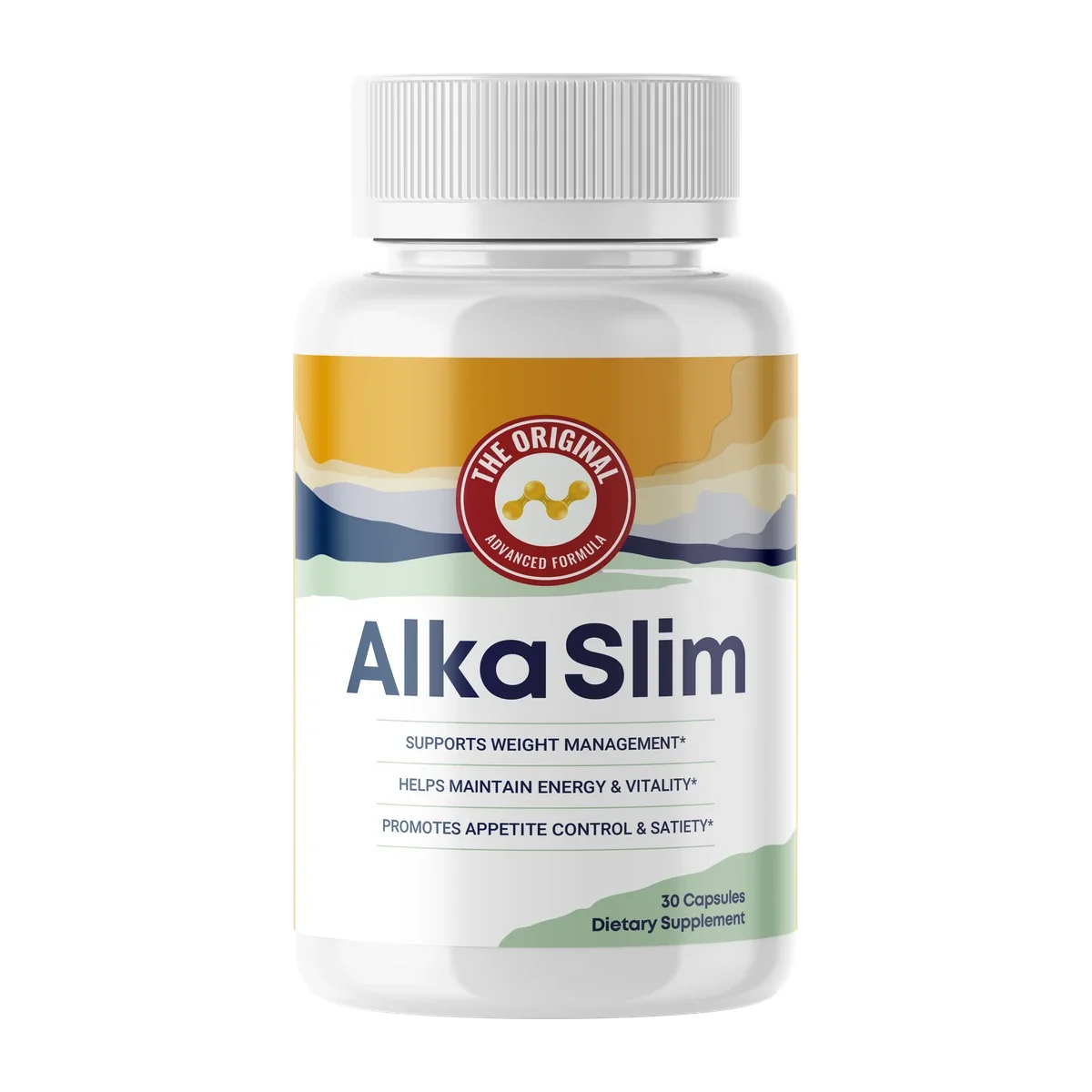
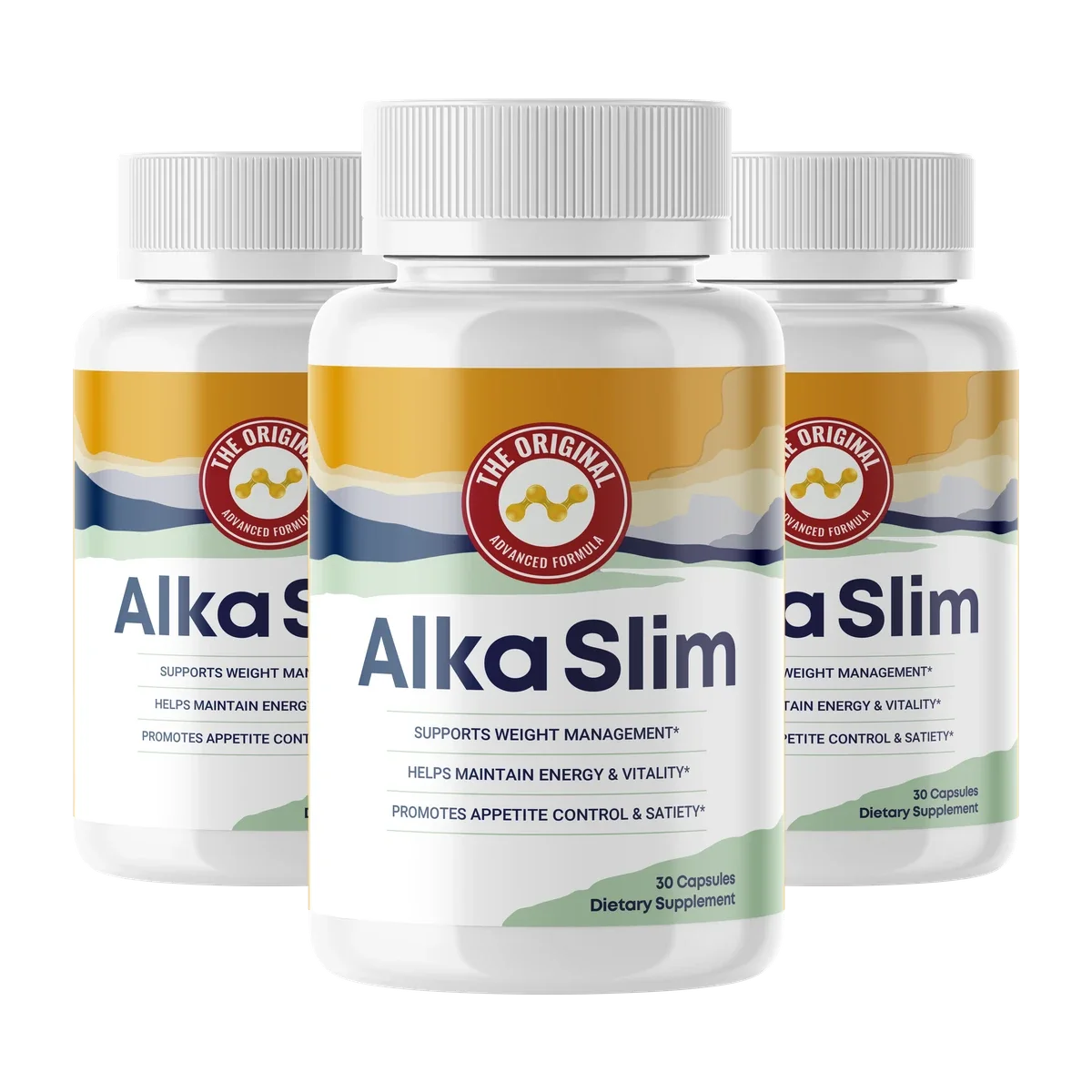
Protein handles fullness inside your meals. If your struggle is the gap between them, a pre-meal fibre layer is the other half of the equation. See how AlkaSlim is positioned as a low-calorie daily add-on at the official store.
See the Official AlkaSlim StoreBest time to take protein for weight loss
Timing is where the most energy is wasted for the least return. The overwhelming finding across the literature is that total daily protein is the lever; the clock is a rounding error by comparison. Nobody has ever stalled a fat-loss plan because they took a scoop at 4pm instead of 4:30. That said, two timing habits are worth keeping because they help you hit the total, not because the hour is magic.
The first is a protein-forward breakfast. Starting the day with 25 to 40 grams of protein blunts appetite for hours and, in study after study, reduces the size of later meals and the pull toward mid-morning snacks. If you under-eat in the morning and over-eat at night, a breakfast shake can rebalance the whole day. The second habit is spreading protein across two or three meals rather than dumping it all at dinner, which simply makes a big daily target achievable. If you train, protein within a few hours either side of the session is reasonable, but treat that as a nicety on top of hitting your number, not as the number itself.
Pairing protein with fibre: the satiety stack
Protein and fibre solve hunger in two different ways, and stacking them is more effective than doubling down on either. Protein works chemically, through hormones and slower stomach emptying. Viscous fibre works mechanically, by absorbing water and occupying physical volume in the stomach so that stretch receptors register fullness before nutrients are even absorbed. A high-protein meal that also carries a few grams of fibre is one of the most satisfying things you can eat for its calorie cost, which is precisely why so many successful plans lean on both.
This is where a shake stops being just protein and starts being a strategy. Adding a soluble fibre to a protein shake thickens it, slows how fast you drink it, and extends fullness well past the last sip. If you want the mechanism in full, our explainer on glucomannan, konjac fibre and fullness covers the dose behind the effect and why grams, not milligrams, do the work. The takeaway for a weight-loss diet is simple: protein for the meal, fibre for the gap, and both aimed at the same goal of eating less without feeling deprived.
Protein powder is not a fat burner and no honest reading of the evidence pretends it is. It is the most reliable way to keep a fat-loss diet full, satisfying and muscle-sparing. Everything it does still routes through the same door: you have to end up eating fewer calories than you spend.
Three myths worth retiring
Myth one: protein powder makes you bulky. It does not, and the mechanics make this almost impossible. Muscle is hard to build and requires a calorie surplus plus progressive training over months. In a deficit, the very best protein can do is help you keep the muscle you already have while fat comes off, which is the outcome that produces a leaner, tighter look, not a bigger one.
Myth two: you have to cut carbs for protein to work. You do not. Protein raises satiety and protects muscle regardless of whether the rest of your calories come from carbs or fat. Plenty of people lose fat successfully on higher-carb diets simply because the extra protein displaced other calories and kept them full. The deficit is what matters; the surrounding macros are a matter of preference and adherence.
Myth three: more protein is always better. There is a ceiling. Beyond roughly 2.2 g per kilogram the extra grams buy little additional fat loss or muscle protection for most people, and they crowd out the fibre-rich carbs and fats a healthy diet needs. For those with kidney disease, protein targets should be set with a doctor rather than a blog.
How protein powder and AlkaSlim fit together
These two tools address different halves of the same problem, which is why they coexist comfortably. Protein powder is a food: it builds meals, hits a macronutrient target, and keeps those meals filling and muscle-sparing. AlkaSlim is marketed as a fibre-forward daily supplement taken to support appetite control between meals, sitting alongside a reduced-calorie diet rather than replacing any part of it. There is no known reason a food-grade protein and a fibre-based capsule would interact, because they act on different appetite pathways.
We will also be straight about what we cannot verify. The AlkaSlim product page names its ingredients but does not publish a Supplement Facts panel or a milligram figure for any of them, so the amount inside each serving is not something you can confirm before purchase. The panel is legally required on the container, so it arrives with the product. Our advice is the same one we give for any supplement: check the panel on day one, and if you also want the routine mapped out, our guide on how to take AlkaSlim for the best results covers the pre-meal timing step by step. Use the refund window if the arithmetic does not hold up.
Related reading
- Meal replacement shakes for weight loss — when a shake should replace a meal instead of topping one up.
- Glucomannan, konjac fibre and fullness — the fibre that adds physical bulk to the satiety stack.
- How to take AlkaSlim for the best results — the pre-meal routine, step by step.
- Weight loss capsules and how they work — where a capsule format helps and where it cannot.
Frequently asked questions
Does protein powder help with weight loss?
Indirectly, yes. Protein powder does not burn fat by itself, but a 25 to 30 g serving is one of the most filling things you can add to a day for its calorie cost, it raises the thermic effect of your meals, and it protects lean muscle while you eat at a deficit. The fat loss still comes from eating fewer calories than you burn. Protein just makes that deficit easier to hold.
How much protein per day to lose fat?
Most evidence for fat loss while preserving muscle lands around 1.6 to 2.2 g of protein per kilogram of body weight per day, which is roughly 0.7 to 1.0 g per pound. For many adults that is 100 to 160 g daily. A scoop of powder providing 25 to 30 g helps close the gap on days when whole food falls short, but it should top up a diet, not replace it.
Best time to take protein for weight loss?
Total daily protein matters far more than timing. That said, a serving at breakfast blunts appetite for hours and tends to reduce later snacking, and a serving spread across two or three meals helps most people hit their target. If you train, having protein within a few hours of a session is sensible, but the exact minute is not the lever that decides results.
Can I use protein powder with AlkaSlim?
There is no known reason a food-grade protein powder and a fibre-based supplement like AlkaSlim would conflict, because they work on different parts of appetite. Protein raises fullness through hormones and slower digestion, while a viscous fibre adds physical bulk. Many people use one for meals and the other before meals. As always, read the AlkaSlim panel on arrival and speak to your doctor if you take medication or have a medical condition.
Scientific references
- PubMed — human trials on dietary protein, satiety and lean mass retention
- NIH Office of Dietary Supplements — Dietary Supplements for Weight Loss
- Harvard T.H. Chan School of Public Health — Protein and the thermic effect of food
- Mayo Clinic — Metabolism, calories and body weight
- NIH National Center for Complementary and Integrative Health — Dietary and Herbal Supplements
Ready to layer appetite support onto your protein plan?
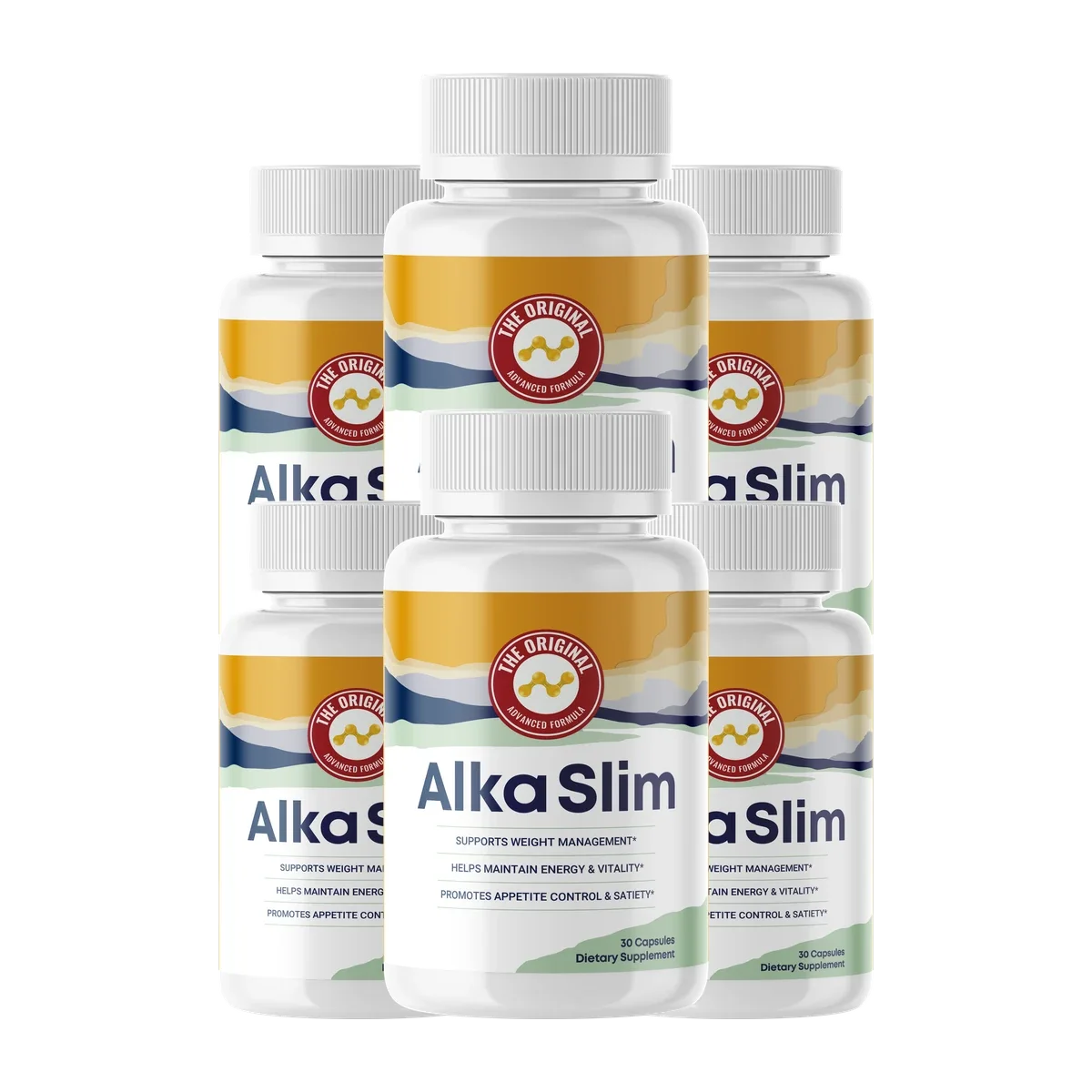
The official store is the only place to see the current supply options and the guarantee terms. Read the panel on the bottle the day it arrives and hold it against your own plan.
Go to the Official Store