Over-the-Counter Weight Loss Pills Compared: What Actually Works and Where AlkaSlim Fits
Quick Answer: Which Over-the-Counter Weight Loss Pill Should You Choose?
Over the counter weight loss pills fall into four groups: orlistat (a fat blocker and the only FDA-approved OTC drug), glucomannan satiety fiber, carb blockers, and thermogenics. Orlistat has the strongest drug data but the most disruptive side effects. Glucomannan fiber, the mechanism behind AlkaSlim, has the best evidence among gentle supplements and the fewest serious risks when dosed properly.
- Best drug data: orlistat (Alli), the only fat blocker approved for OTC sale in the US.
- Gentlest with real evidence: glucomannan, a soluble fiber that makes meals feel more filling.
- Weakest categories: carb blockers and stimulant thermogenics, thin evidence and more side effects.
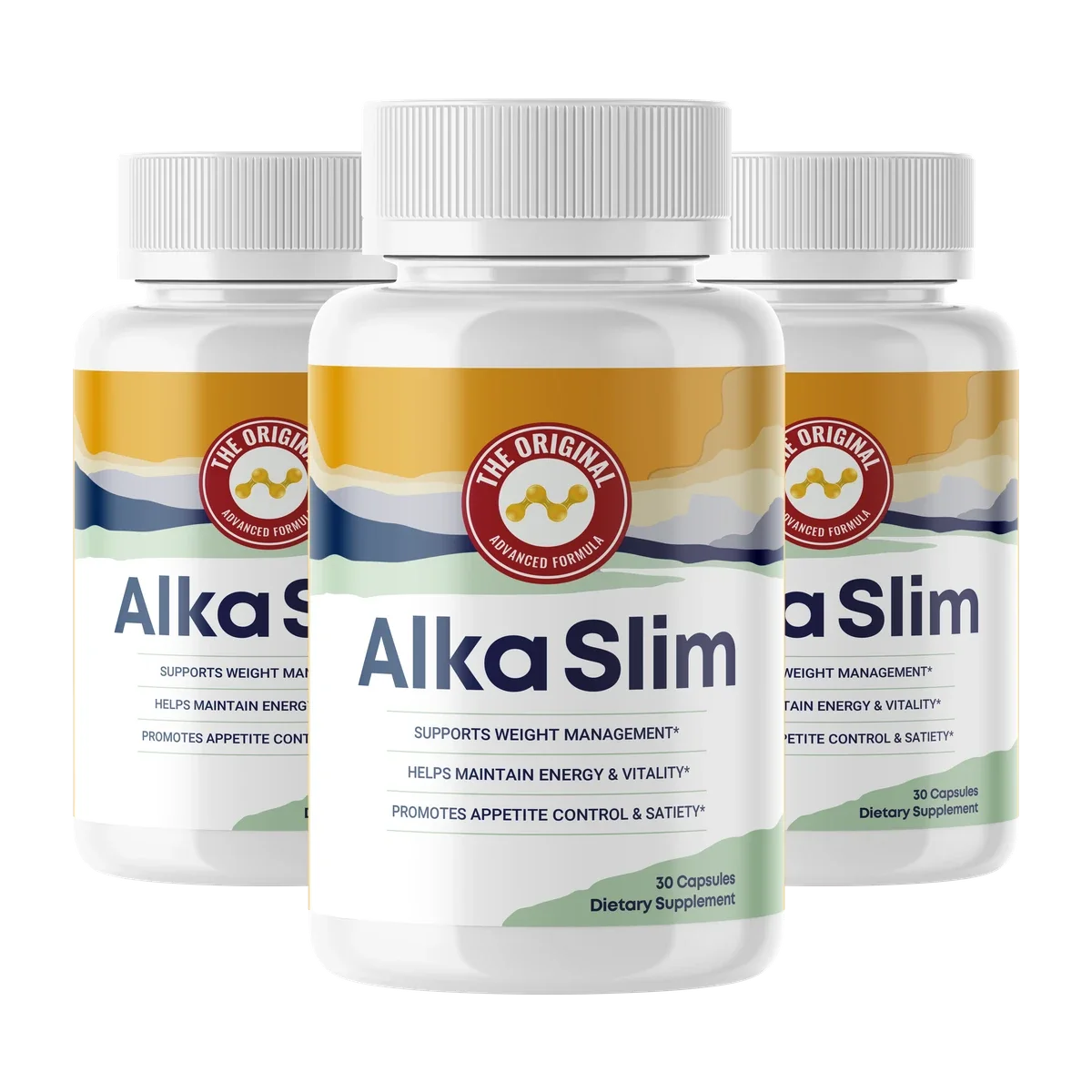
Walk down any pharmacy aisle or scroll any supplement store and the choice is overwhelming: dozens of bottles, all promising the same result, almost none explaining how they differ. The truth is that over the counter weight loss pills are not one product category at all. They are four different mechanisms wearing similar packaging, and the right choice depends entirely on which mechanism suits your body and your eating pattern. Choose by mechanism and the decision becomes simple. Choose by the loudest label and you are gambling.
This guide compares the four real categories on the two things that matter to a buyer: how strong the evidence is, and what the side effects feel like in daily life. We will be honest about where AlkaSlim, a glucomannan-based satiety fiber, sits in that landscape, including what it can and cannot do. By the end you will be able to walk past three of the four categories with confidence and focus on the one that actually matches your goal.
The four kinds of over-the-counter weight loss pills
Every non-prescription weight aid on the market is doing one of four things. It is blocking fat, filling your stomach, blocking carbohydrate, or trying to raise the calories you burn. Understanding these four levers is the whole game, because within each category the products are far more alike than the branding suggests.
1. Orlistat, the fat blocker (Alli)
Orlistat is the outlier of the group because it is a genuine drug, not a supplement, and it is the only weight loss medicine the FDA has cleared for over-the-counter sale. Sold as Alli at a 60 mg dose, it works in the gut by blocking the enzyme that breaks down dietary fat, so roughly a quarter of the fat you eat passes through undigested. The clinical record is the deepest in this entire comparison, with large trials showing modest but real average weight loss when it is paired with a reduced-calorie, lower-fat diet.
The catch is written into the mechanism. Fat that is not absorbed has to go somewhere, and the result is the well-known side effects: oily stools, urgency, and occasional accidents, all of which get dramatically worse the more fat you eat. In practice orlistat is a behavioral tool as much as a chemical one, because it punishes fatty meals directly. People who already eat a lean diet tolerate it best; people who do not tend to quit within weeks.
2. Glucomannan, the satiety fiber (the AlkaSlim mechanism)
Glucomannan is a soluble fiber from the konjac root, and it is the ingredient with the best evidence among the gentle, non-drug options. It works by absorbing many times its weight in water and forming a thick gel in the stomach, which slows gastric emptying and makes a given meal feel larger and more satisfying. This is the mechanism behind the AlkaSlim formula, and it is the reason a fiber can help with weight even though it does nothing chemically dramatic.
Its strength is also its honesty problem: the effect scales with the dose. European regulators tied their accepted weight-management wording to 3 grams a day, taken in three servings with a full glass of water before meals. Below that, the gel is too small for the stomach to notice. If you want the full breakdown of how the dose drives the effect, our explainer on glucomannan, konjac fiber and fullness walks through the arithmetic. The side-effect profile is the mildest in this comparison, usually limited to short-lived bloating and gas.
3. Carb blockers
Carb blockers, usually based on white kidney bean extract (phaseolus vulgaris), aim to inhibit the enzyme that digests starch so some carbohydrate passes through unabsorbed. The idea is appealing and the mechanism is real in a test tube, but the human evidence is thin and inconsistent, with small studies showing modest effects and others showing none. Real meals contain carbohydrate in forms the enzyme block does not fully catch, and doses in commercial products vary wildly. Side effects mirror any partially blocked carbohydrate: gas, bloating and loose stools. For most buyers this category promises more than the data supports.
4. Thermogenics
Thermogenics are the stimulant category: caffeine, green tea extract, synephrine and similar compounds intended to raise energy expenditure and blunt appetite. Caffeine has a small, genuine short-term effect on metabolic rate, but the body adapts quickly and the weight-loss payoff in trials is minor. This is also the category with the highest risk, because stimulants can raise heart rate and blood pressure, disturb sleep, and interact with other medicines. Anyone with a cardiovascular condition should treat thermogenics as the category to avoid, not the one to start with.
| Category | How it works | Strength of evidence | Typical side effects |
|---|---|---|---|
| Orlistat (Alli) | Blocks ~25% of dietary fat | Strongest; FDA-approved OTC drug | Oily stools, urgency, worse with fatty meals |
| Glucomannan fiber | Gel expands in stomach, boosts fullness | Good for a supplement; regulator-recognized at 3 g/day | Mild bloating, gas; choking risk if taken dry |
| Carb blockers | Inhibits starch-digesting enzyme | Weak and inconsistent | Gas, bloating, loose stools |
| Thermogenics | Stimulants raise energy use | Small and short-lived | Raised heart rate, jitters, poor sleep |
Read that table as a map of trade-offs, not a leaderboard, and alongside the wider sort of which weight loss pills actually work in 2026 once prescription options are back on the table. Orlistat has the best data and the worst day-to-day experience. Glucomannan has the gentlest experience and solid, dose-dependent evidence. The bottom two rows are where marketing budgets do the heavy lifting that the research will not.
Want to test the gentlest category risk-free?
A satiety fiber is the easiest over-the-counter option to trial, because tolerance shows up in days and the official store backs a purchase with a 60-day money-back guarantee. That window lets you find out how your body responds without betting anything.
See the Official AlkaSlim StoreThree objections buyers raise, answered honestly
Every category above has a myth attached to it that costs shoppers money. Clearing these three away makes the comparison much easier to act on.
"I need a prescription for anything that really works"
This is the most common and the most expensive myth. It is true that prescription GLP-1 medicines now produce larger average weight loss than anything on the pharmacy shelf, and for some people they are the right tool. But "larger average" is not the same as "the only thing that works." Orlistat is a clinically proven drug you can buy without a prescription, and a properly dosed satiety fiber has real, regulator-recognized evidence behind it. If you want to see how the non-prescription route stacks up against the injectable one, our comparison of AlkaSlim versus prescription weight loss pills lays out the honest trade-offs on cost, results and access.
"Natural means it works" (and "natural means it's safe")
Both halves of this are false, and in opposite directions. Being plant-derived does not make an ingredient effective; carb blockers and many thermogenic botanicals are natural and still barely move the needle. And being natural does not make something automatically safe: konjac glucomannan is a food-grade fiber, yet taken dry it can genuinely swell in the throat, which is why the water instruction is part of the mechanism and not a footnote. Judge every product on evidence and dose, not on whether the ingredient grew in a field.
"More ingredients means a stronger pill"
A long ingredient list usually means the opposite. A capsule holds a fixed volume, so every extra ingredient crammed onto the label leaves less room for the one that carries the effect. A satiety fiber needs gram-scale amounts to work, and grams are bulky. When a product names a dozen exciting ingredients but publishes no amount for any of them, the honest reading is that the label is a marketing document, not a formula. Learning to read the panel, or to notice when one is missing, is covered in our guide to what a missing Supplement Facts panel hides.
Where AlkaSlim fits among over-the-counter weight loss pills
AlkaSlim belongs firmly in the satiety-fiber category. Its lead ingredient is konjac glucomannan, the option in this comparison with the best evidence for a gentle, non-stimulant approach, and it is positioned for people who want to eat less without the disruptive fat-blocking side effects of orlistat or the cardiovascular risk of a stimulant. If your struggle is portion size, snacking and hunger between meals, a satiety fiber targets exactly that lever.
We hold ourselves to the same standard we apply to competitors. AlkaSlim publishes no Supplement Facts panel on its website and no milligram figure for its glucomannan, which means the single number that would confirm whether it delivers the research-backed 3-gram range is not visible before purchase. The panel is legally required on the container, so it arrives with the product. The practical response is to use the guarantee: check the amount on day one, hold it against the 3-gram reference, and use the refund window if the arithmetic does not hold up.
The satiety-fiber category is the one where a money-back guarantee genuinely reduces your risk, because tolerance and the fullness effect both show up within the first two weeks. You are not waiting months to learn whether it suits you.
That is the real advantage of the gentle category over the drug and stimulant categories. A 60-day guarantee lets you test tolerance and effect without financial exposure, something you cannot do with a prescription medicine or a stimulant you may not tolerate. It turns "will this work for me" from a gamble into an experiment you can run and reverse.
Safety and how to shop the category well
Whichever category you land on, three habits protect you. First, match the mechanism to your diet: orlistat suits lean eaters, fiber suits over-eaters, and stimulants suit almost no one who values sleep or has a heart condition. Second, insist on a dose. A named ingredient with no amount is a claim about presence, not effect. Third, respect the water rule for any soluble fiber, taking glucomannan with a full glass of water and never immediately before lying down, to keep the choking risk at zero.
And remember the boundary that applies to every product in this guide: none of these pills treat, cure or prevent any disease, and none replace the reduced-calorie diet that all the positive evidence is built on. They make a diet easier to stick to. They do not do the dieting for you.
Frequently asked questions
Which OTC weight loss pill works best?
No single over the counter weight loss pill is best for everyone, because each category works differently. Orlistat (Alli) is the only FDA-approved OTC weight loss drug and blocks about a quarter of dietary fat. Glucomannan fiber has the best evidence among supplements, working by making meals feel more filling. Carb blockers and thermogenics are weaker and less consistent. The best pick depends on your diet, your tolerance for side effects and whether you want a drug or a fiber.
Do you need a prescription for effective weight loss pills?
No. You can buy effective options without a prescription. Orlistat is sold over the counter as Alli at a 60 mg dose, and glucomannan-based satiety fibers like the one in AlkaSlim are available directly. Prescription medicines such as GLP-1 injections tend to produce larger average weight loss, but they require a clinician, cost far more and carry their own side-effect profile. For many people an OTC option paired with a reduced-calorie diet is a reasonable first step.
Which OTC pills have the fewest side effects?
Soluble fiber supplements such as glucomannan generally have the fewest serious side effects. The main complaints are bloating and gas, which usually settle within one to three weeks. Orlistat is well studied but causes oily stools and urgency when you eat fatty meals. Stimulant thermogenics carry the highest risk because caffeine and similar compounds can raise heart rate and blood pressure. Always take glucomannan with a full glass of water to avoid a choking risk.
Is Alli better than a fiber supplement?
Neither is universally better; they solve different problems. Alli (orlistat) blocks fat absorption and has drug-grade trial data, but its side effects are tied to how much fat you eat and can be unpleasant. A glucomannan fiber works on appetite instead, is gentler, and needs a genuine gram-scale dose to matter. Some people combine a reduced-calorie diet with fiber first, then consider orlistat if they want a fat-blocking mechanism as well.
Scientific references
- U.S. FDA — Orlistat (Alli and Xenical) drug information
- NIH Office of Dietary Supplements — Dietary Supplements for Weight Loss
- PubMed — human trials indexed for glucomannan, body weight and satiety
- NIH National Center for Complementary and Integrative Health — Weight control supplements
- Mayo Clinic — Prescription and OTC weight-loss drugs
Related reading
Best Weight Loss Pills 2026: The Honest Shortlist
How this year's most-searched options rank on evidence, dose and price.
AlkaSlim vs Prescription Weight Loss Pills
Cost, results and access weighed for the fiber-versus-drug decision.
Berberine for Weight Loss: A Practical Guide
What the evidence really shows about the metabolic supplement of the moment.

Where to Buy AlkaSlim: The Official Store Explained
How to avoid counterfeits and keep the money-back guarantee intact.
Ready to compare it for yourself?
The official store is the only place to see the current supply options and the guarantee terms. If a gentle satiety fiber is the category that fits your goal, the refund window makes it the lowest-risk one to try.
Go to the Official Store