Weight Loss Pills That Work in 2026: An Honest, Category-by-Category Guide
Quick Answer: Which Weight Loss Pills Actually Work?
The weight loss pills that work in 2026 fall into three tiers: prescription GLP-1 medicines lead on results but cost 149 to 1,349 dollars a month and need a doctor; the one OTC FDA drug, orlistat, gives modest loss over six months; and appetite supplements support hunger and cravings. None work without a calorie deficit.
- Strongest: prescription GLP-1s, but medical, expensive, and not for everyone.
- Only OTC drug: orlistat (Alli), modest and diet-dependent.
- Supportive: appetite fibers like glucomannan for the hunger that derails most diets.
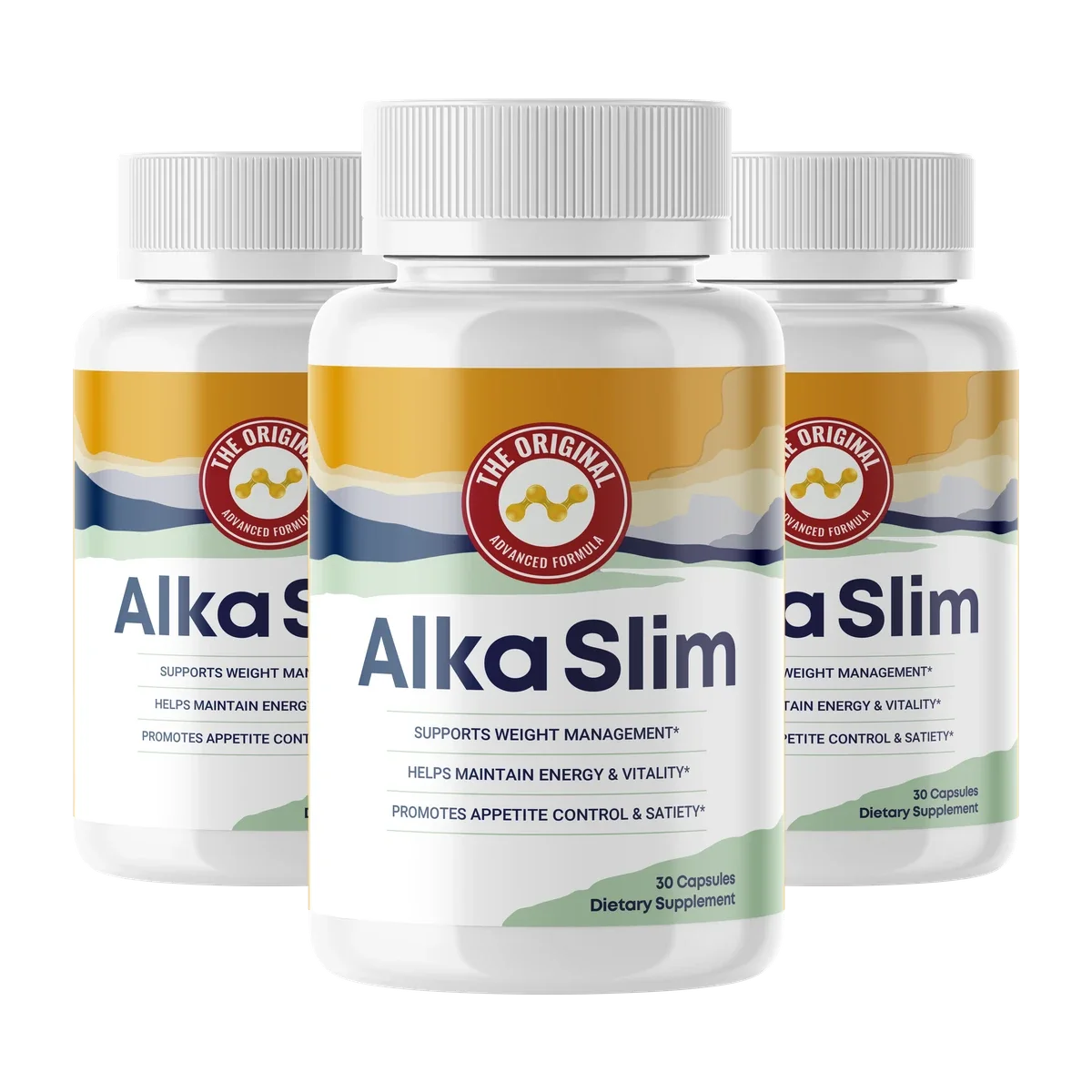
Search for weight loss pills and you get a wall of promises, most of them written by someone who wants your card details before you finish the first paragraph. The problem is not that nothing works, it is that "weight loss pills" is not one thing. It is at least three completely different categories, with wildly different evidence, costs, and risks, all wearing the same name. Lump them together and you either overpay for hype or dismiss the options that could genuinely help you. This guide sorts them properly, tells you what the research supports, and shows where a supplement like AlkaSlim fits, so you can match the tool to your actual obstacle.
One rule sits above all of them and it is worth stating up front: no weight loss pill, prescription or otherwise, works without a calorie deficit. Every option below either helps you eat less, absorb less, or process food differently, and each one is a lever on the same underlying equation. Keep that in mind and the marketing gets a lot easier to see through.
The three categories of weight loss pills, honestly ranked
Here is the whole landscape in one view. Read the table first, then we will unpack each tier and where the trade-offs actually bite.
| Option | Category | Regulatory status | Typical result | Rough cost/month | Best suited to |
|---|---|---|---|---|---|
| GLP-1 medicines | Prescription drug | FDA-approved | Largest loss, clinic-supervised | $149–$1,349 | Eligible patients under medical care |
| Orlistat (Alli) | OTC drug | FDA-approved | ~5–10 lb over 6 months | ~$50–$70 | People who tolerate low-fat eating |
| Glucomannan fiber | Supplement | Not FDA-approved; EU-authorised claim | Modest loss via appetite control | Low | People who overeat from hunger |
| Caffeine / green-tea "fat burners" | Supplement | Not FDA-approved | Small, short-lived metabolic nudge | Low | Caffeine-tolerant users wanting a lift |
| Proprietary "detox" blends | Supplement | Not FDA-approved | Hidden doses; little controlled evidence | Varies | No one; the hidden label is the warning |
Tier one: prescription GLP-1 medicines
If raw efficacy is all you care about, the prescription GLP-1 class leads by a distance. These medicines mimic a gut hormone that regulates appetite and slows stomach emptying, and in clinical trials they produce weight loss well beyond anything an OTC option can match. But that power comes with real conditions. They require a prescription and medical supervision, they carry more significant potential side effects, and the cost is steep, roughly 149 to 1,349 dollars a month depending on the product, dose and insurance situation. They are the right tool for eligible patients working with a clinician, not an impulse buy, and they are not the answer for someone whose issue is a stubborn ten pounds and evening snacking.
Tier two: the one OTC drug worth naming
Among genuine over-the-counter drugs, the list is short: orlistat, sold as Alli, is the only FDA-approved weight loss medication you can buy without a prescription. It works differently from everything else here, by blocking the absorption of some dietary fat in the gut. The evidence is real but modest, on the order of 5 to 10 pounds over six months when paired with a reduced-fat diet, and the well-known catch is that eating too much fat triggers unpleasant digestive effects. It is a legitimate option for someone who eats a lower-fat diet and wants a pharmacological nudge, and we cover it alongside its shelf-mates in our deeper comparison of over-the-counter weight loss pills compared.
Tier three: supplements, where AlkaSlim lives
This is the tier with the most noise and the most nonsense, but also a few genuinely useful tools. Dietary supplements are not drugs, are not approved to treat obesity, and cannot claim to. What the best of them can do is support the mechanism where most diets actually collapse: appetite. The standout is glucomannan, the konjac-derived soluble fiber at the heart of AlkaSlim. It absorbs water and swells into a gel that slows stomach emptying and increases fullness, so smaller portions satisfy. European regulators reviewed the data and accepted a weight-loss claim for it in the context of a reduced-calorie diet at about 3 grams a day, a stronger footing than almost any competitor. To understand exactly how a capsule turns into that fullness effect, our explainer on how weight loss capsules work and why dose decides is the clearest starting point.
Contrast that with the rest of the shelf. Caffeine and green-tea "fat burners" offer a small, short-lived metabolic nudge that tolerance quickly erodes. And the proprietary "detox" blends, the ones with a long ingredient list and no disclosed doses, are the category's clearest warning sign: if the label will not tell you how much of anything you are getting, you cannot know whether the evidence applies. A named ingredient at a hidden dose is marketing, not medicine.
Want the appetite-control lever?
If your real obstacle is hunger and portion creep rather than a large amount to lose, an appetite fiber is the sensible, low-cost place to start. Check the current supply options and the 60-day money-back guarantee at the official AlkaSlim store, where the terms are always current, rather than trusting any middle-man page including this one.
See the Official AlkaSlim StoreThree myths that steer buyers wrong
Most bad purchases in this category trace back to one of three beliefs. Here is the honest correction for each.
"The strongest pill is the best pill for me"
Strength and suitability are not the same. GLP-1 medicines are the strongest, but they are medical products with cost, side-effect and eligibility hurdles that make them the wrong first move for someone with modest goals. Matching the tool to your obstacle beats reaching for the biggest hammer. If the thing that derails you is hunger between meals, a satiety fiber may serve you far better than a powerful drug you neither qualify for nor need.
"OTC and supplement mean the same thing"
They do not, and the confusion costs people money. Over-the-counter can mean an approved drug (orlistat) or a dietary supplement (glucomannan), and they play by entirely different rules. A drug is approved to treat a condition; a supplement is not, and cannot claim to be. When a supplement's marketing sounds like a drug's, that is the tell that the claims have outrun the evidence.
"A long ingredient list means a stronger formula"
Usually the opposite. Long "proprietary blend" lists exist to spread a tiny total dose across many impressive-sounding names, so no single ingredient reaches an effective amount. A short, fully disclosed label with a research-grade dose of one proven ingredient beats a fifteen-item blend every time. This is exactly the trap our audit of what a missing Supplement Facts panel hides teaches you to spot in five minutes.
How to actually choose
Strip away the marketing and the decision is simple. First, name your obstacle honestly. If you have a significant amount of weight to lose and access to care, a conversation with a clinician about prescription options is the highest-efficacy route. If your problem is a lower-fat diet you want to reinforce, orlistat is a legitimate OTC drug. And if the thing that keeps sabotaging you is hunger, cravings and portion creep, an appetite fiber like AlkaSlim targets exactly that, at low cost and low risk. Second, whatever you choose, demand a disclosed dose and pair it with a real calorie deficit, because the pill is a lever, not an engine. Third, prefer options with a return path: buying a supplement from an official store with a money-back guarantee means a wrong guess costs you very little.
For a shortlist that scores the most-searched options on evidence, dose and price rather than hype, our roundup of the best weight loss pills of 2026 is the companion piece to this guide, and if you are weighing a supplement directly against the medical route, the head-to-head on AlkaSlim versus prescription weight loss pills lays out the trade-offs in full.
The sentence every weight loss pill page leaves out
Here is the line the aggressive marketing pages bury, and it is the most important one on this page: no weight loss pill works without a calorie deficit and consistency. Every option above, from the strongest prescription medicine to the gentlest fiber, is a lever on the same equation. GLP-1s work by making you eat less. Orlistat works by letting you absorb less of the fat you eat. Appetite fibers work by making a smaller plate feel like enough. Not one of them creates weight loss out of thin air, and any product that claims to is selling you a story.
That reframes how you should judge results, too. When someone loses weight on a pill, the pill is rarely the whole cause; it is the thing that made the underlying behavior change sustainable. That is not a knock on the pills, it is the point of them. The reason so many people conclude "these things don't work" is that they expect the pill to do the job the deficit is actually doing, take it inconsistently, and give up in two weeks. The trials that support every legitimate option here ran for months, not days, and the people in them stuck to the protocol. Consistency is not a footnote to the pill; it is the active ingredient the pill supports.
So the practical takeaway is unglamorous but reliable. Pick the option that matches your obstacle, commit to a real calorie deficit you can actually maintain, take the product exactly as directed for a full trial window, and measure over weeks rather than days. Do that with a low-risk appetite fiber and a money-back guarantee, and the worst case is a small, refundable experiment. Skip the deficit and the consistency, and even a thousand-dollar medicine will underdeliver. The pill is the lever; you are still the one who has to pull it.
The honest bottom line
Weight loss pills that work in 2026 do exist, but "works" means different things at different price points and risk levels. The prescription GLP-1 tier is the most powerful and the most demanding. Orlistat is the sole OTC drug, modest and diet-linked. Appetite supplements led by glucomannan are the low-cost, low-risk tool for the hunger problem that quietly ends most diets. The pills that do not work are the hidden-dose blends that hope you never ask how much you are getting. Choose by your obstacle, insist on a disclosed dose, keep the calorie deficit, and let a guarantee carry the risk of any wrong guess.
Frequently asked questions
What weight loss pills really work?
Three groups have genuine evidence. Prescription GLP-1 medicines lead on efficacy but require a doctor and cost roughly 149 to 1,349 dollars a month. The single over-the-counter FDA-approved drug is orlistat (Alli), which produces modest loss of about 5 to 10 pounds over six months with a low-fat diet. Appetite supplements such as glucomannan support hunger and craving control at a much lower cost. Everything else, especially hidden-dose detox blends, is far weaker, and no pill works without a calorie deficit.
Are OTC weight loss pills effective?
The only over-the-counter product that is an FDA-approved weight loss drug is orlistat (Alli), and its effect is modest and diet-dependent, about 5 to 10 pounds over six months alongside a reduced-fat diet, with digestive side effects if you eat too much fat. Over-the-counter supplements are not drugs and are not approved to treat obesity, but well-studied ingredients like glucomannan can genuinely help with appetite and portion control. Effectiveness depends far more on the dose and on your diet than on the label's promises.
Which weight loss pill is safest?
For most healthy adults, a well-studied appetite fiber like glucomannan is among the lowest-risk options, with side effects usually limited to bloating or gas and one real rule: always take it with plenty of water. Orlistat is safe but causes fat-related digestive effects. GLP-1 medicines are effective and generally safe under medical supervision but carry more significant potential side effects. Safety is individual, so anyone on medication or with a health condition should speak to a qualified healthcare professional before starting any pill.
Do effective weight loss pills need a prescription?
Not necessarily. The most powerful options, GLP-1 medicines, are prescription-only and clinic-supervised. But you do not need a prescription to get real help with the mechanism most people struggle with, which is appetite. Over-the-counter orlistat is an approved drug, and appetite-support supplements such as glucomannan address hunger and cravings without a prescription. The honest trade-off is that non-prescription options are more modest, so they work best for people whose main obstacle is overeating rather than a large amount of weight to lose.
Scientific references
- U.S. FDA — Prescription and OTC weight-management drugs
- NIH Office of Dietary Supplements — Dietary Supplements for Weight Loss
- PubMed — human trials indexed for glucomannan, body weight and satiety
- PubMed — orlistat weight loss trials
- NIDDK — Prescription medications to treat overweight and obesity
Related reading
The Best Weight Loss Pills of 2026
An evidence-first shortlist of the most-searched options.
Over-the-Counter Weight Loss Pills Compared
What actually works on the shelf, and where AlkaSlim fits.
Weight Loss Capsules: How They Work
The four mechanisms and why the dose is what decides.

AlkaSlim vs Prescription Weight Loss Pills
An honest comparison of cost, efficacy and risk.
Start with the low-risk lever
Supply sizes, shipping terms and the guarantee window are set by the manufacturer and change without notice. The official store is the only place they are current, and the 60-day money-back guarantee means a first trial of the appetite-control approach costs you very little.
Go to the Official Store